
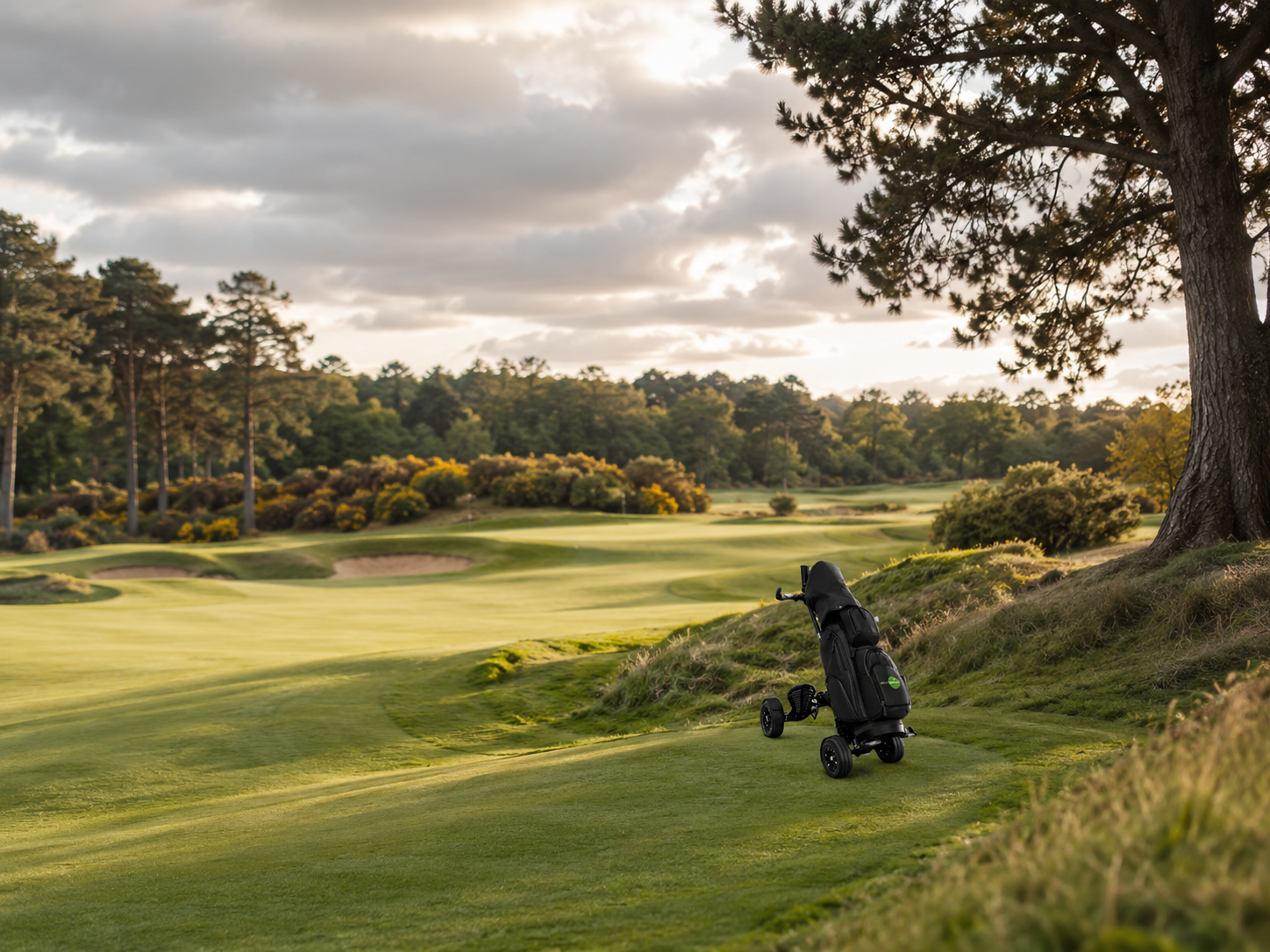
Summer is finally here and, for many golfers, this is the best part of the season. The courses are looking their best, the evenings are longer, and there's a good chance your golf diary is starting to fill up with competitions, society days and weekend rounds.
The only problem is that playing more golf can sometimes leave you feeling more worn out than you'd like.
Most golfers have experienced it. You start the round feeling great, hit a few decent shots and settle into your rhythm. Fast forward a few hours and things begin to change. Concentration starts to drift, club selection becomes less certain and by the time you reach the final few holes, you're not quite swinging the club as well as you were on the first tee.
We often put this down to a bad swing or a lack of practice, but quite often the real culprit is simply fatigue.
The good news is that there are a few simple ways to stay fresher throughout the round and, in turn, give yourself a better chance of scoring well when it matters most.
Start Preparing Before You Arrive
A surprising number of golfers begin a round already on the back foot.
Whether it's rushing from work, skipping lunch or relying on a coffee and a bacon roll to get through 18 holes, poor preparation can quickly catch up with you later in the day.
Hydration is particularly important during the summer months. You don't need to be playing in Mediterranean temperatures to feel the effects of dehydration. Even on a typical British summer's day, several hours spent walking around a golf course can take more out of you than you realise.
Drinking water before your round and keeping topped up throughout the day sounds obvious, but it's one of the easiest ways to maintain concentration and energy levels.
Make Golf Easier on Yourself
Most golfers are happy to spend money on a new driver if it helps them gain ten yards, yet many continue making the game physically harder than it needs to be.
Take a look in your golf bag before your next round. Chances are there's equipment in there that hasn't been used for months. Old balls, spare clothing, gadgets and accessories all add weight that has to be carried or pushed around the course.
The same applies to how you move around the course itself.
For golfers who play regularly, fatigue often has less to do with swinging a club and more to do with spending four or five hours walking several miles whilst moving a fully loaded golf bag.
This is one of the reasons why products such as the Birdie Pro and BirdieGlide have become increasingly popular. They allow golfers to conserve energy throughout the round without taking away from the experience of being out on the course.
Many golfers find that they finish 18 holes feeling noticeably fresher, which becomes even more valuable if you're playing multiple times a week.
Save Your Mental Energy Too
Physical tiredness isn't the only thing that affects performance.
Golf can be mentally exhausting as well.
Every shot involves a decision. What's the yardage? What's the wind doing? Is it a full club or something softer? Should you attack the flag or play safely?
Making those decisions over and over again for four hours can be surprisingly draining.
Technology can help remove some of that mental workload.
GPS watches such as the Voice Caddie T11 and Shot Scope V5 provide quick and accurate distances, helping golfers make decisions with confidence rather than second-guessing themselves.
Similarly, a rangefinder like the CaddyTalk Windy can provide accurate yardages whilst also helping golfers account for changing wind conditions.
The less time spent debating club selection, the more focus you can put into actually executing the shot.
Practise Smarter, Not Harder
We've all seen golfers arrive an hour before their tee time and proceed to hit bucket after bucket on the range.
There is nothing wrong with practice, but more isn't always better.
In fact, arriving on the first tee already tired can often do more harm than good.
This is where launch monitor technology has become increasingly useful. Devices such as the Rapsodo MLM2PRO allow golfers to gather meaningful information from shorter, more focused practice sessions.
Rather than hitting 100 balls aimlessly, you can spend 20 or 30 minutes learning something useful about your distances, ball flight and consistency.
That means more productive practice and more energy left for the actual round.
Think About Recovery
Most golfers finish a round, throw their clubs in the boot and don't think much more about it until the next tee time.
But recovery matters, especially during the summer when you're playing more frequently.
A bit of stretching, proper hydration and a decent meal afterwards can make a surprising difference to how you feel the following day.
This becomes increasingly important as we get older, but it applies to golfers of all ages.
The quicker you recover, the quicker you're ready to enjoy your next round.
Final Thoughts
Every golfer wants to play their best golf on the closing stretch. The problem is that by the time many players reach the 15th or 16th hole, they're simply running low on energy, both physically and mentally.
The good news is that staying fresh isn't usually about making huge changes. Small improvements in hydration, preparation, course management and mobility can all add up over the course of a round.
Golf is challenging enough without making it harder than it needs to be.
If you can arrive at the 18th tee feeling almost as fresh as you did on the 1st, there's a good chance your scorecard will thank you for it.


Leave a comment
This site is protected by hCaptcha and the hCaptcha Privacy Policy and Terms of Service apply.